
Activated Carbon Filter for Kitchen Exhaust
Duct-mounted activated carbon filter for kitchen exhaust designed as the final purification stage. Removes residual VOCs, cooking odors, and gaseous pollutants that ESP and UV cannot capture. Drawer-type carbon panels for easy replacement. Epoxy coated SPCC plate enclosure.
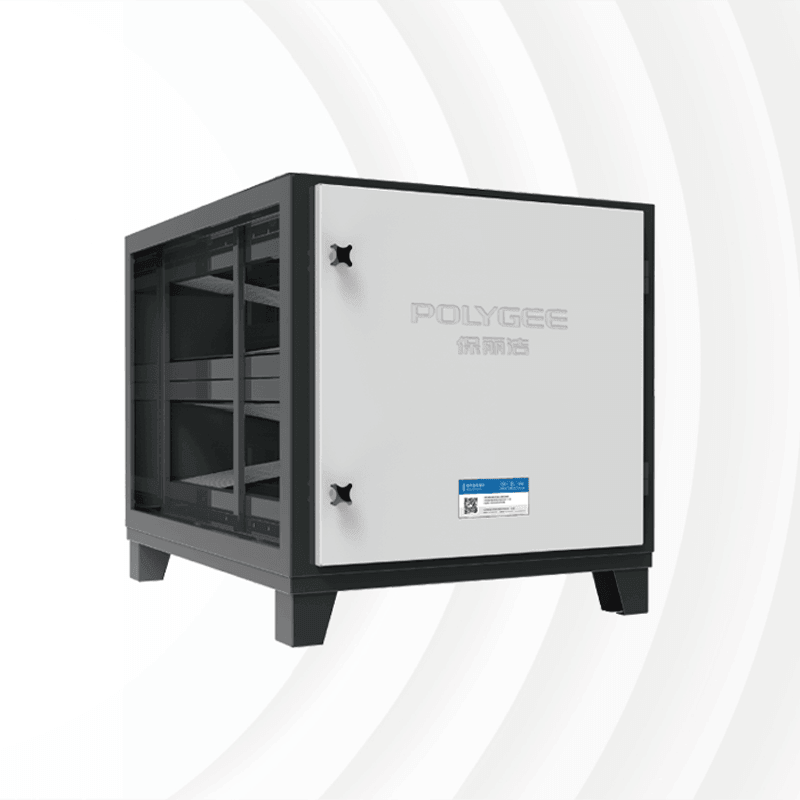
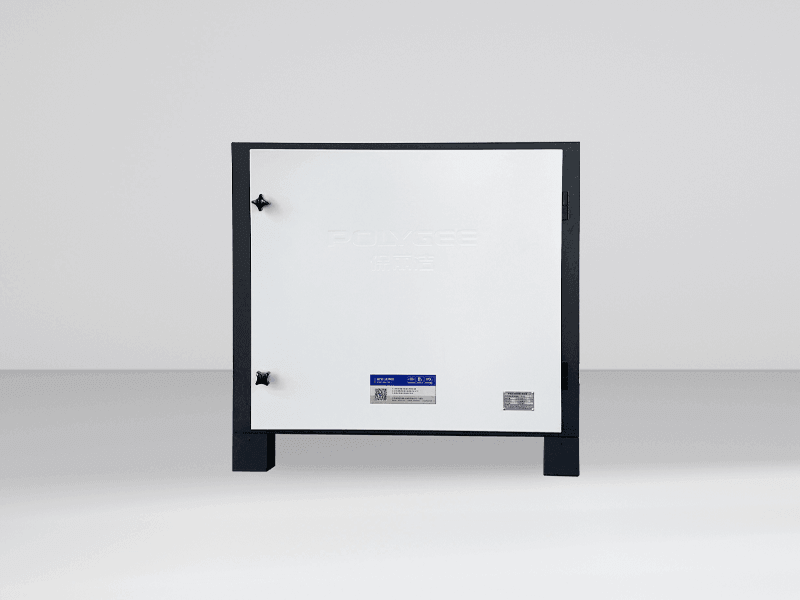
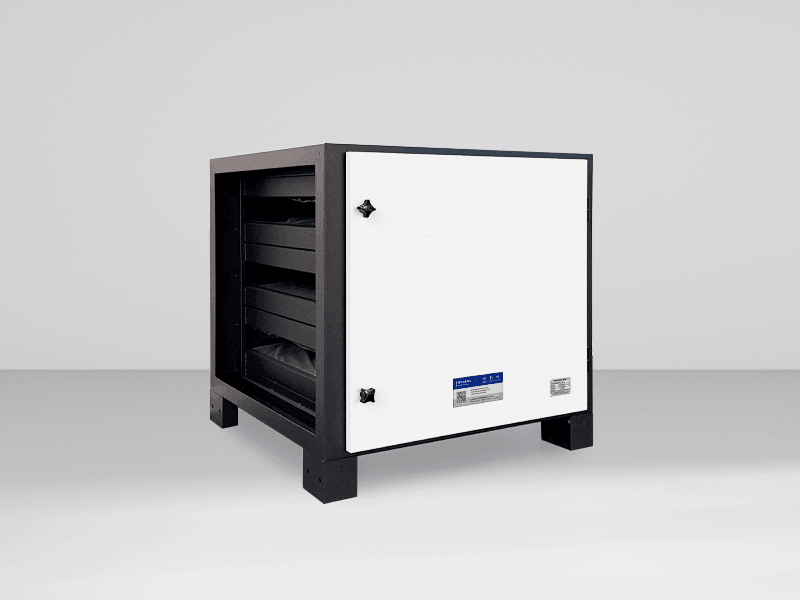
Product Photos of the Kitchen Exhaust Carbon Filter
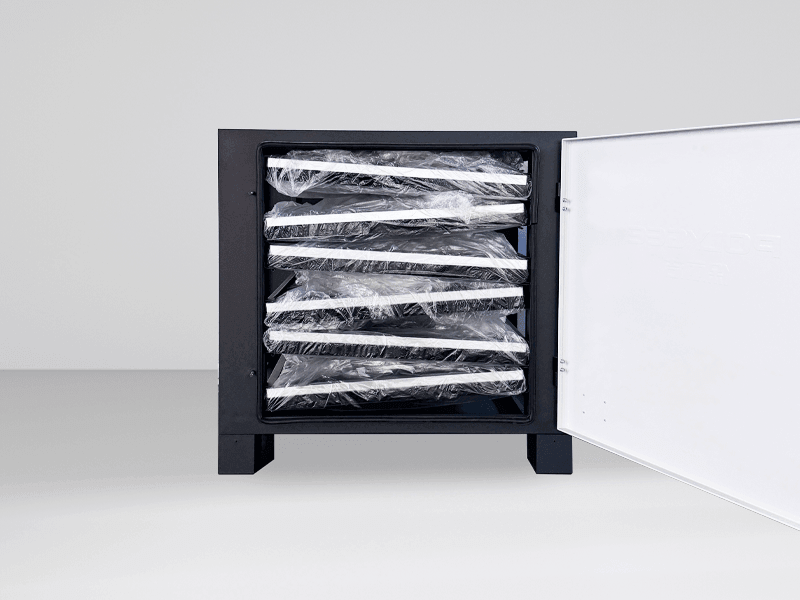
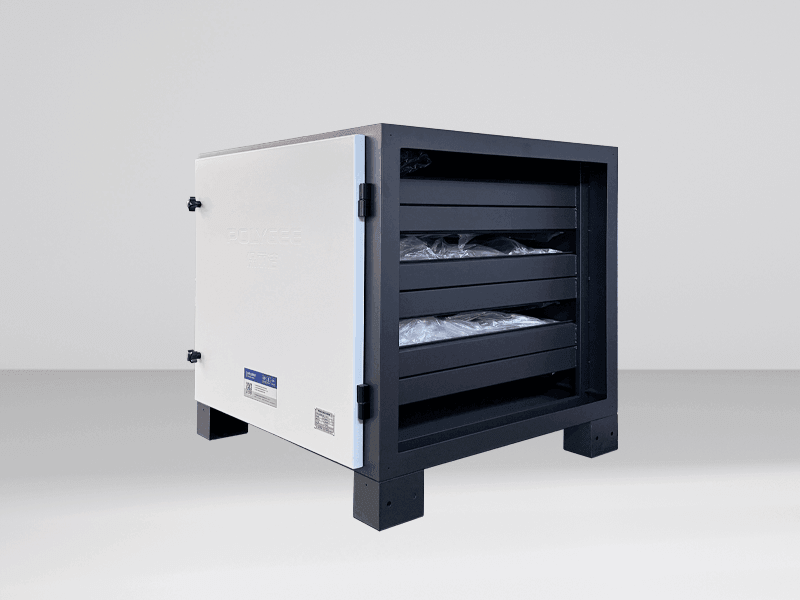
Close-up views of the activated carbon box filter, highlighting the Epoxy coated SPCC plate enclosure, drawer-type carbon trays, front-opening maintenance design, and modular cabinet structure for final-stage odor polishing.
6 Scenarios Where an Activated Carbon Filter for Kitchen Is Required
When UV and ESP alone still leave residual odors, an activated carbon air filter provides the final polishing stage. Compare venue-specific designs across all commercial kitchen exhaust solutions.
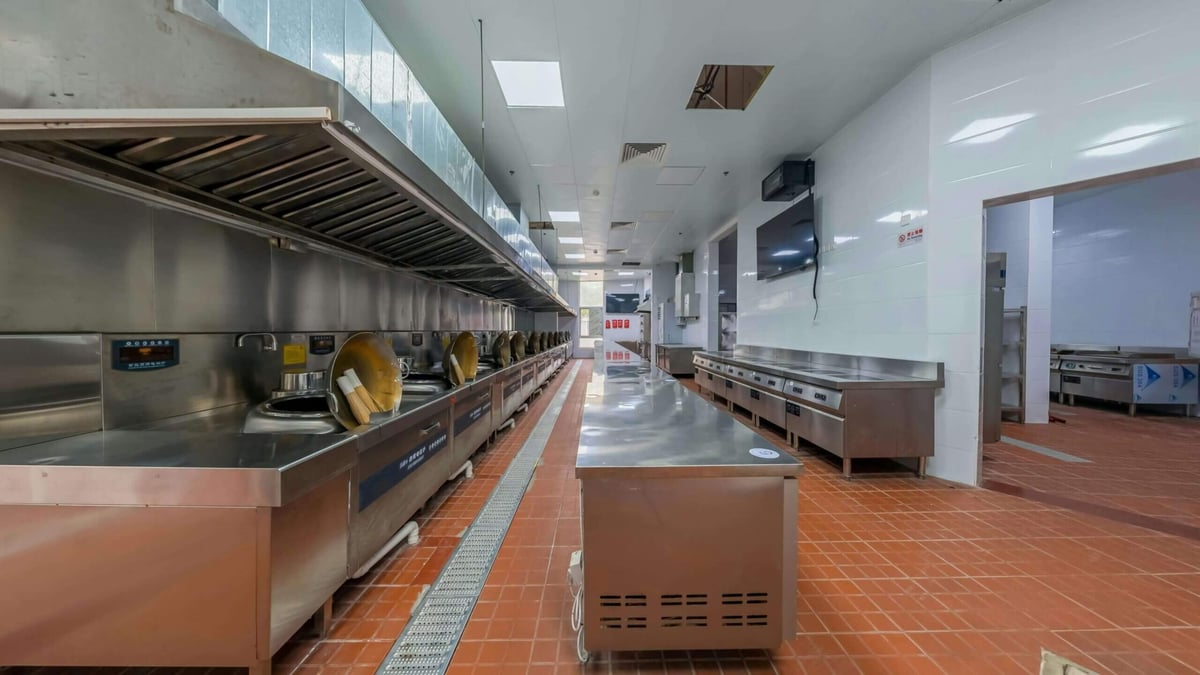
Restaurants Near Sensitive Neighbors
Homes, offices or schools next door — add a final carbon stage after ESP + UV for discreet, low-odor discharge.
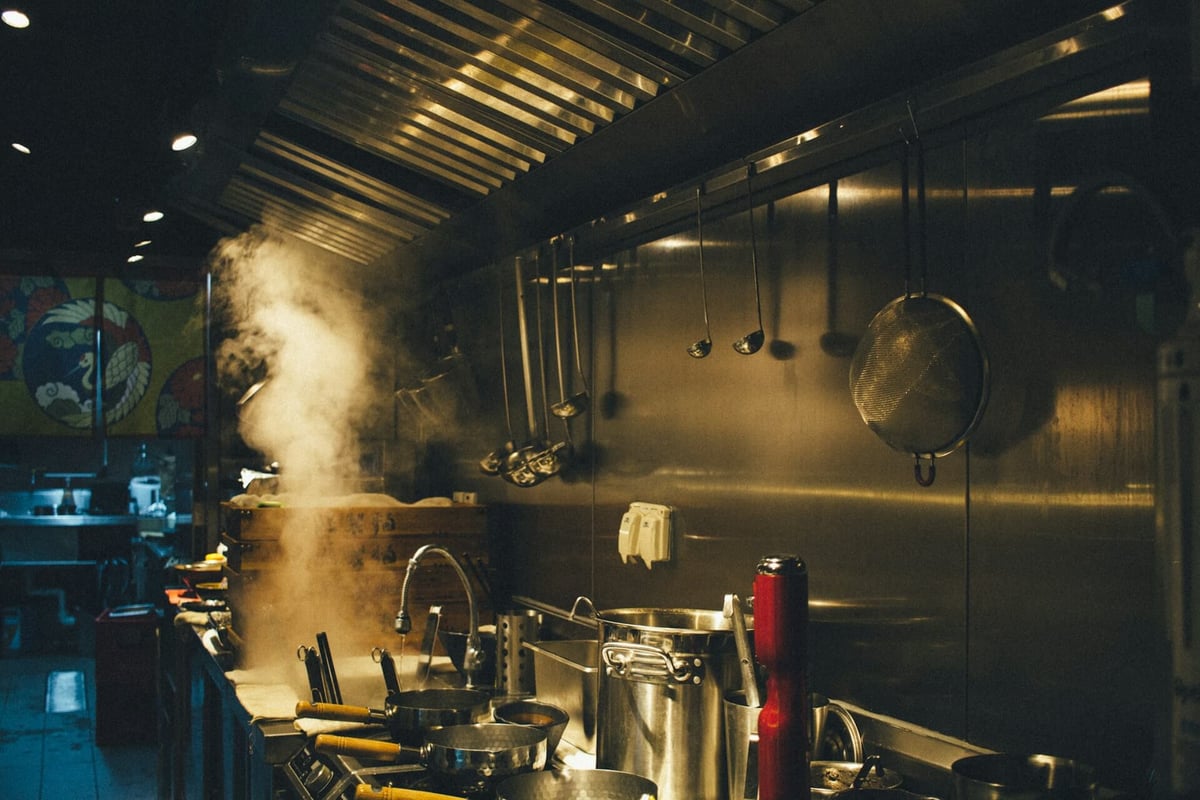
Hotels & Resorts
Guest areas near exhaust points — carbon polishing keeps rooftop and courtyard discharge unobtrusive.

Chain Kitchen Standards
One carbon spec across locations with a unified panel-replacement schedule.
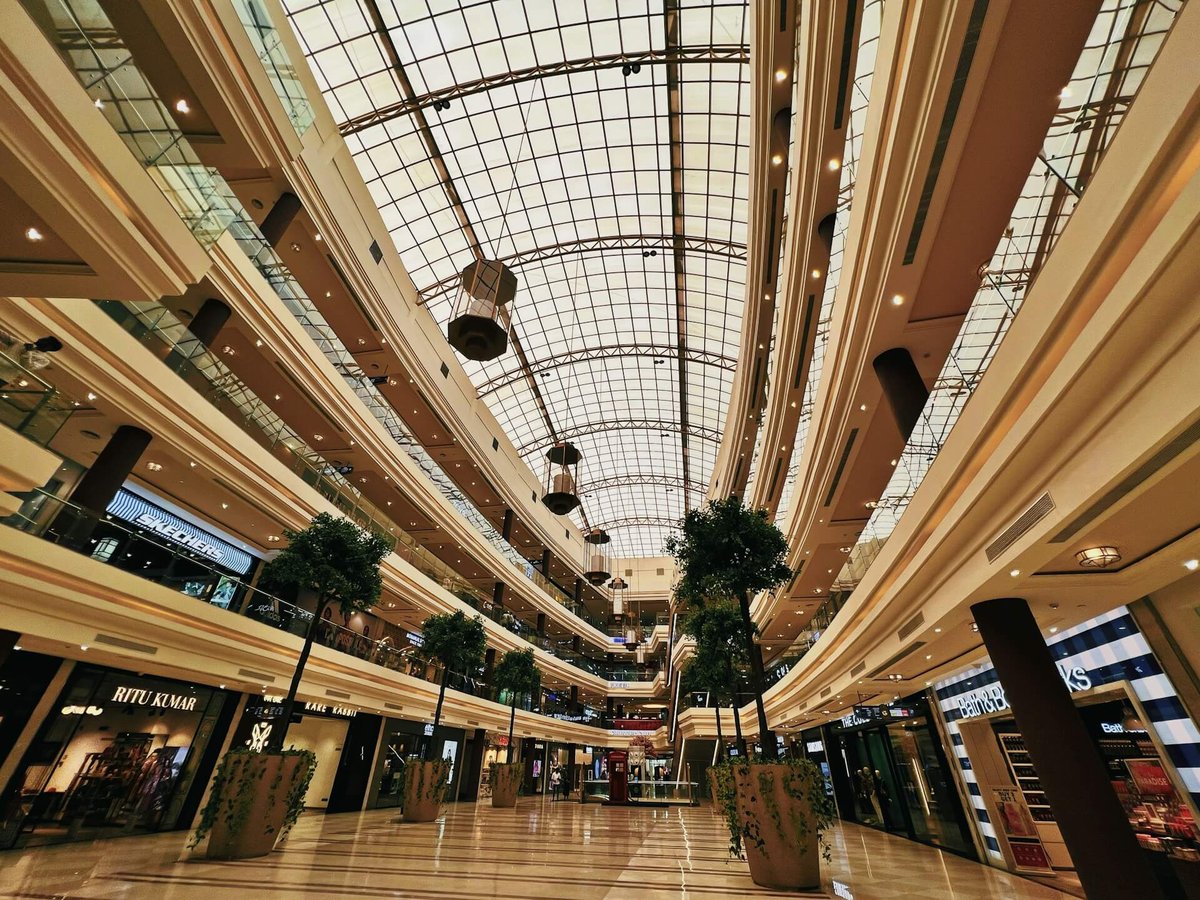
Food Courts & Shared Risers
Mixed-cuisine odors in one duct — carbon as the last stage before the shared riser.
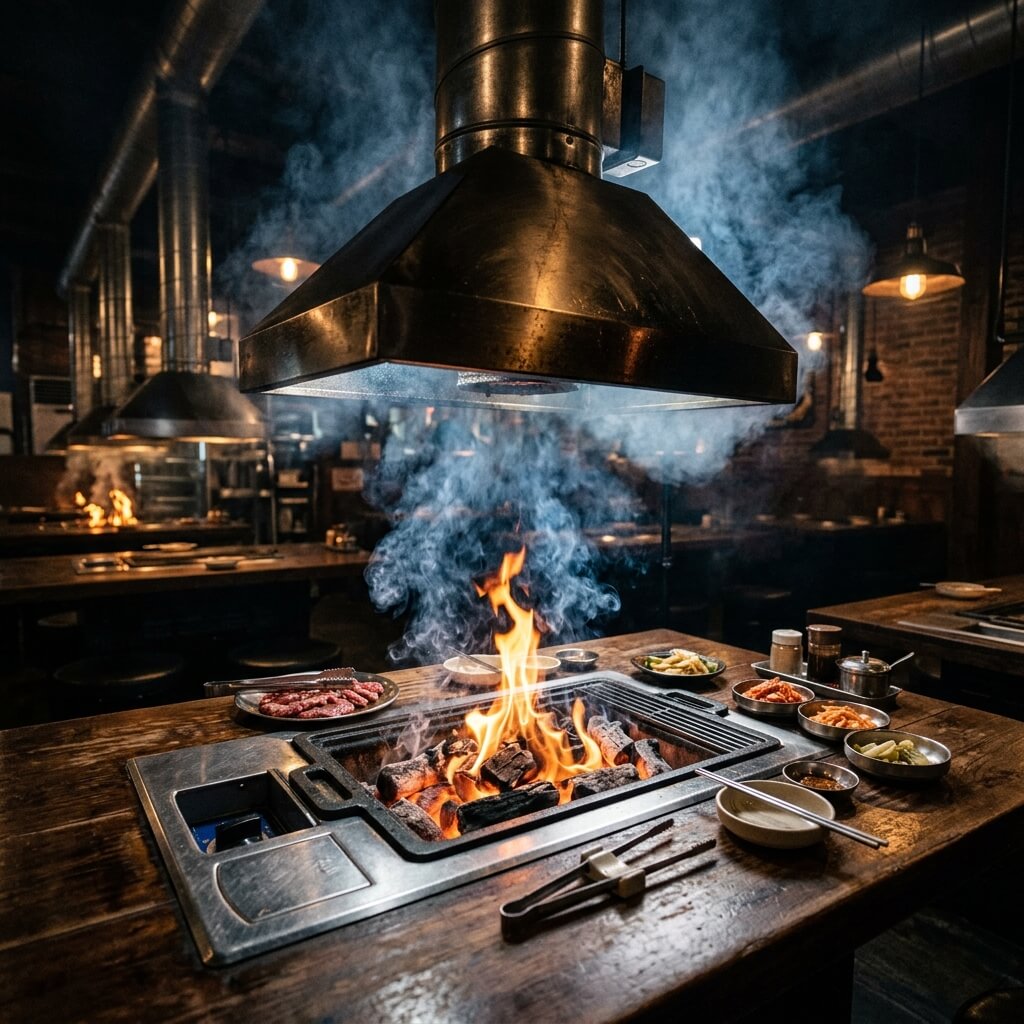
BBQ & Heavy-Smoke Kitchens
After ESP + UV handle smoke and the bulk of odor, carbon adsorbs the stubborn residual fraction.
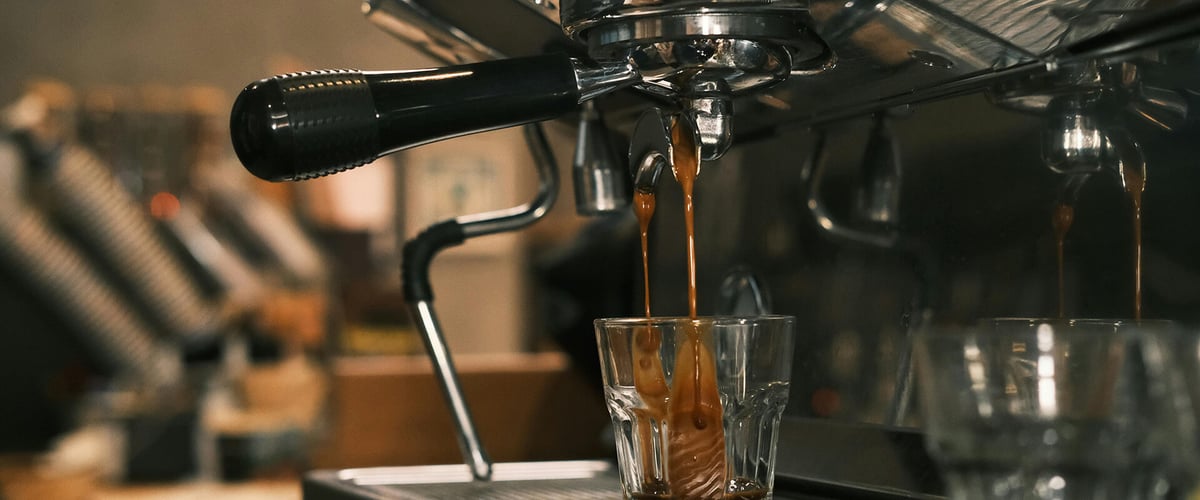
Cafés & Bakeries in Malls
Enclosed retail air is unforgiving — compact carbon boxes fit above-ceiling voids.
Why an Activated Carbon Filter for Kitchen Exhaust Is Still Irreplaceable
ESP Removes Particles. UV Removes Odors. Carbon Removes Everything Else.
In the most demanding environments — hospitals, residential areas, luxury hotels — even ESP + UV may not meet the very strict odor expectations of neighbors and local authorities.
Activated Carbon: The Last Line of Defense
Coal-based columnar activated carbon has a developed micro-pore structure — specific surface area ≥ 800 m²/g and iodine adsorption value ≥ 800 mg/g — that traps VOC molecules by physical adsorption. As the air purification activated carbon stage of the exhaust line, it catches what UV misses for a cleaner final discharge. According to EPA guidelines on VOC control, removing volatile organic compounds from indoor air systems is essential for health and regulatory compliance.
- Adsorbs residual VOCs, aldehydes, and trace cooking odors
- Complementary to ESP (particles) and UV (photolysis)
- Frequently specified by ventilation consultants in EU, UK and APAC projects
- Drawer-type panels for easy 5-minute replacement
- Coal-based columnar carbon media, iodine adsorption value ≥ 800 mg/g
- Ideal for ultra-low-odor applications near sensitive populations
8 Advantages of the Polygee Activated Carbon Filter for Kitchen
Engineered specifically for commercial kitchen exhaust, not adapted from industrial HVAC.
Coal-Based Columnar Carbon
Coal-based columnar activated carbon media — iodine adsorption value ≥ 800 mg/g, specific surface area ≥ 800 m²/g. Full media table in the specification section.
Drawer-Type Panels
Slide-out carbon panels. No tools required. 5-minute replacement. Minimal downtime for kitchen operations.
Modular Cabinet
Epoxy coated SPCC plate enclosure. Stack multiple units for higher airflow. Connect directly to ESP and UV modules.
Media Confirmed Per Project
Standard media is coal-based columnar activated carbon. Carbon fill weight and any alternative media are confirmed per project on the quotation.
Documented Resistance
Brochure equipment resistance is 150 Pa across CB30–CB150 — verify total system static pressure with your fan supplier.
Optional Differential Pressure Gauge
Optional differential pressure gauge helps monitor filter loading and plan carbon replacement before airflow drops too far.
Eco-Friendly Disposal
Spent carbon is replaced as a consumable — handle regeneration or disposal in line with your local waste regulations.
OEM / ODM Available
Custom frame sizes, carbon types, and panel configurations for distributors and system integrators.
How the Activated Carbon Filter Works in a Kitchen Exhaust System — 3-Step Process
A passive physical process that traps gaseous pollutants in the micro-pore structure of the carbon media.
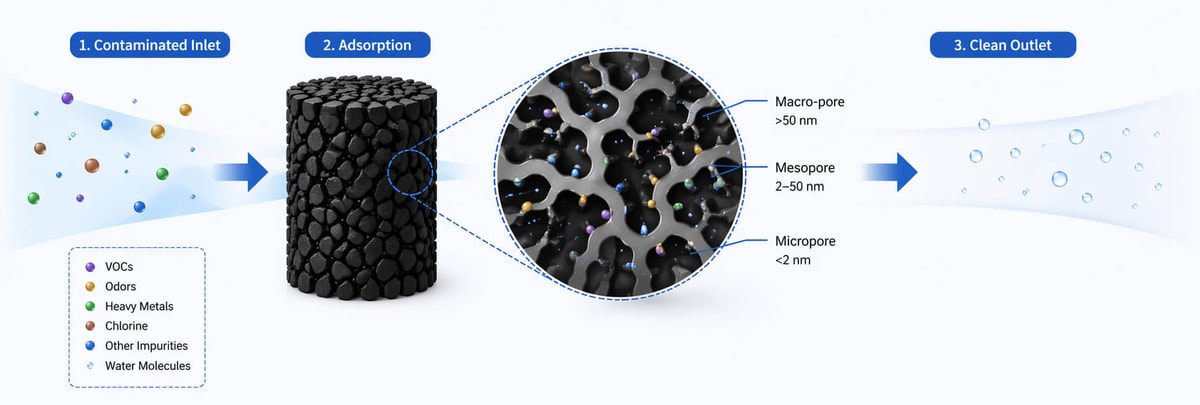
Pre-Filtered Air Enters
After ESP removes grease/smoke and UV breaks down odors, remaining air with trace VOCs enters the carbon unit.
→Carbon Adsorption
Air passes through activated carbon panels. VOC, aldehyde, and odor molecules are trapped in carbon pores via Van der Waals forces.
→Low-Odor Exhaust
Purified air exits with markedly lower odor — designed for demanding residential and commercial settings.
Activated Carbon Filter vs. UV vs. ESP — When to Use Each
✅ Activated Carbon (Final Stage)
Suited to: residual VOCs, trace odors, applications near hospitals and residences. Physical adsorption. Simple replacement cycle. No electricity needed. Works passively.
✅ Designed to Work in Sequence
Carbon is intended as Stage 3 after ESP (Stage 1) and UV (Stage 2). Pre-filtering with ESP and UV significantly extends carbon life; without pre-filtration, carbon can saturate within weeks.
💡 UV-C Photolysis (Stage 2)
Suited to: breaking down strong cooking odors actively. No filter media to replace — only periodic lamp service. But cannot capture all VOC types — some molecules resist photolysis.
⚡ ESP (Stage 1)
Suited to: grease and smoke particles. Does not remove gaseous odors at all. Essential pre-filter for both UV and carbon to function properly.
Recommended System Layout for Activated Carbon Box Filters
Activated carbon box filters are intended as the final-stage polishing module after grease, smoke, and primary odor reduction are completed upstream.
Grease and Smoke Removal
Install ESP or another upstream particle-removal stage first so the carbon box receives cleaner airflow and avoids premature saturation from heavy grease loading.
- Reduces grease load before adsorption
- Protects downstream carbon media life
- Recommended for Chinese wok, BBQ, and frying lines
UV or Intermediate Odor Reduction
Use UV photolysis as the middle stage when odor molecules are strong or regulations are tighter. This lowers the burden on the final carbon box and improves overall treatment stability.
- Breaks down a portion of residual odor molecules
- Helps extend activated carbon replacement intervals
- Suitable for stricter urban odor-control projects
Activated Carbon Box Filter
The final-stage adsorption box captures the remaining VOCs and trace odors before discharge. Drawer-type trays and optional differential pressure monitoring simplify replacement planning.
- Final polishing stage for low-odor discharge
- Epoxy coated SPCC plate enclosure for duct integration
- Eight models, 3,000–15,000 m³/h, with 4 to 12 carbon frames
Activated Carbon Filter — Model Specifications
Select the CB carbon box by airflow, flange size, and carbon frame count from the brochure specification.
| Model | Airflow (m³/h) | Overall Size L×W×H (mm) | Flange A×B (mm) | Carbon Frames (pcs) | Equipment Resistance (Pa) | Maintenance Clearance D (mm) | Weight (kg) |
|---|---|---|---|---|---|---|---|
| CB30 | 3000 | 581×800×833 | 470×653 | 4 | 150 | 1000 | 96 |
| CB40 | 4000 | 749×800×833 | 638×653 | 4 | 150 | 1000 | 120 |
| CB50 | 5000 | 800×800×833 | 690×653 | 4 | 150 | 1000 | 126 |
| CB60 | 6000 | 1091×800×833 | 980×653 | 8 | 150 | 1000 | 168 |
| CB80 | 8000 | 1427×800×833 | 1316×653 | 8 | 150 | 1000 | 215 |
| CB100 | 10000 | 1531×800×833 | 1420×653 | 8 | 150 | 1000 | 228 |
| CB120 | 12000 | 2105×800×833 | 1994×653 | 12 | 150 | 1000 | 310 |
| CB150 | 15000 | 2261×800×833 | 2150×653 | 12 | 150 | 1000 | 332 |
| Carbon Media Parameter | Specification | Carbon Media Parameter | Specification |
|---|---|---|---|
| Iodine adsorption value | ≥ 800 mg/g | Carbon tetrachloride adsorption | ≥ 45% |
| Methylene blue adsorption | ≥ 100 mg/g | Benzene adsorption | ≥ 40% |
| Specific surface area | ≥ 800 m²/g | Strength | ≥ 95% |
| Packing density | 650 ± 50 g/L | Moisture | ≤ 10% |
| Ash | ≤ 15% | Heavy metal (as iron) | ≤ 3% |
Carbon media specification, coal-based columnar activated carbon. Carbon fill weight and media type are confirmed per project on the quotation.
Need a custom carbon box layout or a different adsorption media configuration? We can match flange size, cabinet layout, and media configuration to your project.
Request Custom Carbon Filter →- 3,000–5,000 m³/h: CB30, CB40 or CB50 — 4 carbon frames
- 6,000–10,000 m³/h: CB60, CB80 or CB100 — 8 carbon frames
- 12,000–15,000 m³/h: CB120 or CB150 — 12 carbon frames
- Equipment resistance is 150 Pa across the series — include it in the fan static pressure calculation
- Between two sizes? The final model, carbon fill weight and media type are confirmed on the quotation
Ordering, Warranty and After-Sales Terms for the CB Carbon Filter
The commercial baseline for CB carbon box orders. Every point below is restated in writing on your quotation and pro forma invoice.
Deposit and Balance
A 30% deposit releases production, with the balance settled before shipment. A 50% deposit is also available if your procurement rules ask for it.
- T/T and L/C are both accepted
- Balance due before the goods leave the factory
- Bank details stated on the pro forma invoice
Incoterms to Suit the Buyer
Incoterms arranged to suit the buyer (EXW / FOB / CIF). Tell us the delivery point and we quote on that basis.
- EXW for buyers using their own forwarder
- FOB from a Chinese port of loading
- CIF to your named port of destination
1 Year on the Complete Unit
The carbon box carries a 1-year warranty on the complete unit. Activated carbon media is a consumable and is not covered.
- Cabinet and carbon frames covered for 1 year
- Carbon media excluded as a consumable item
- Labour and site attendance not included; paid on-site service available
One Unit, 7–15 Days
MOQ is 1 unit, and replacement carbon panels can be ordered from 1 set. Standard lead time is 7–15 days. · Project and volume pricing quoted per project.
- Single-unit and sample orders accepted
- Standard lead time 7–15 days
- OEM minimum order quantity and lead time agreed case by case
Stocked and Supported
Common spare parts are kept in stock. Shipping time is confirmed case by case with your order.
- Replacement carbon panels quoted per model
- Spare parts supplied for 1 year after a model is discontinued
- Panel dimensions checked against your unit before dispatch
Remote Support and OEM
Remote support runs on video calls backed by illustrated manuals, Mon–Fri 8:00–17:00 (GMT+8). Paid on-site service is available.
- Your logo on the unit and a different enclosure colour are available
- NDA signed by the company on request
- Manufacturing under ISO 9001 / 14001 / 45001 management systems
System design proposals, CAD drawings and full specification sheets — request with your project’s airflow details.
4 Ways to Install an Activated Carbon Filter in a Kitchen Exhaust System
Simple installation downstream of UV and/or ESP units.
🔗 Inline with ESP + UV
Mount the carbon unit after the UV module in the duct run to form the carbon filter extraction stage of the system. Standard flange connections make installation quick. This is the most common and recommended setup for thorough odor removal.
🏠 Plant Room Installation
For large systems, install in a dedicated plant room alongside ESP and UV equipment. Easy access for carbon panel replacement. Centralized maintenance for multi-unit kitchens.
🏗 Rooftop Unit
Outdoor and rooftop installation available on request — contact us for enclosure options. Protects carbon panels from moisture and environmental exposure. Ideal when ground-level space is limited.
⚙ Standalone Add-On
Can be added to most existing exhaust systems — even non-Polygee ESP. Standard flange sizes, with transition pieces available. No electrical connection needed — carbon filtration is a passive process.
- Always install downstream of ESP and/or UV — never expose carbon directly to raw grease
- Carbon panels should be replaced every 3–6 months depending on cooking volume
- Use Polygee OEM carbon panels for correct fit and rated adsorption performance
- Provide an access door on the front or side for drawer-type panel replacement
- No electrical connection needed — carbon filtration is a passive process
- Store spare carbon panels in a dry, sealed environment to prevent pre-saturation
💬 Media Choice & Replacement — From the Project Team
“For the CB boxes we standardise on coal-based columnar activated carbon, and I point buyers to two
media indicators first: iodine adsorption value ≥ 800 mg/g and specific surface area ≥ 800 m²/g.
On replacement, plan around your cooking volume — heavy wok and BBQ lines sit at the shorter end of the
3 to 6 month window — and the optional differential pressure gauge shows the carbon loading instead of
leaving it to the calendar. The carbon fill weight for each unit is confirmed on the quotation.”
—
Law, Project Manager, Jiangsu Polygee Environmental Technology Co., Ltd.
Complete Your Kitchen Exhaust VOC Removal System
Buying all three stages together? They ship as one matched kitchen ecology unit.
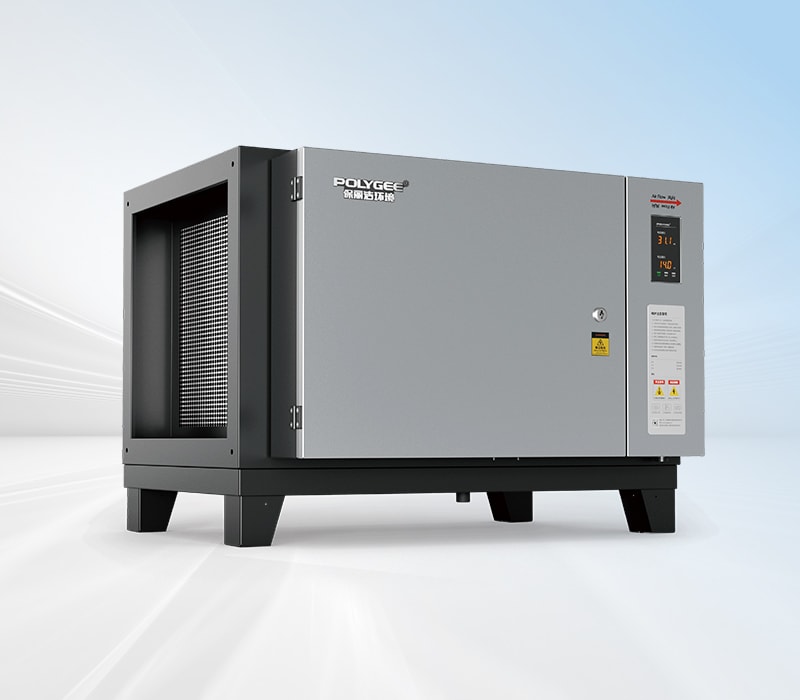
In-Duct Electrostatic Precipitator
Modular ESP for grease and smoke removal. Essential Stage 1 pre-filter for carbon.
Kitchen electrostatic precipitator specs →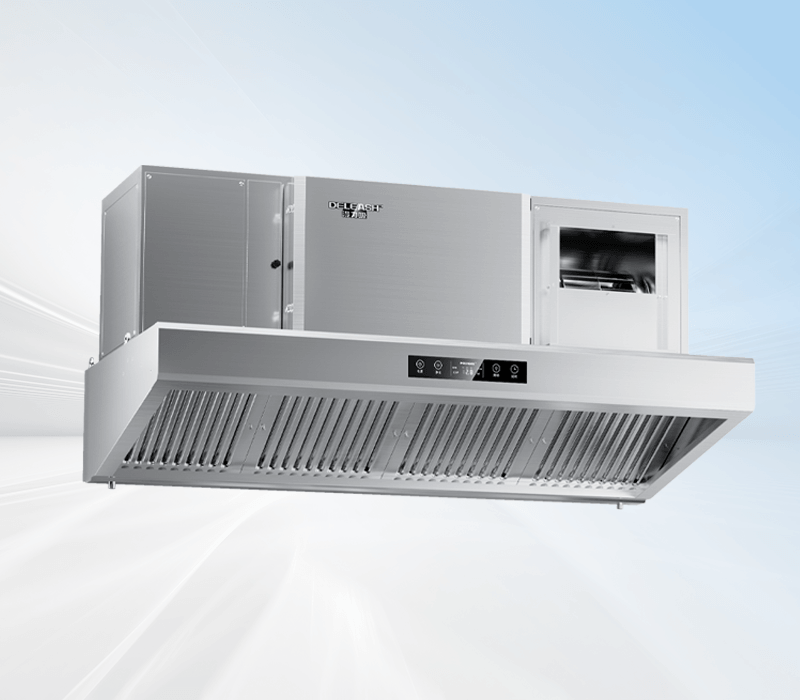
Integrated Kitchen ESP Hood
All-in-one hood with built-in ESP. For new kitchen construction.
Commercial kitchen hood system models →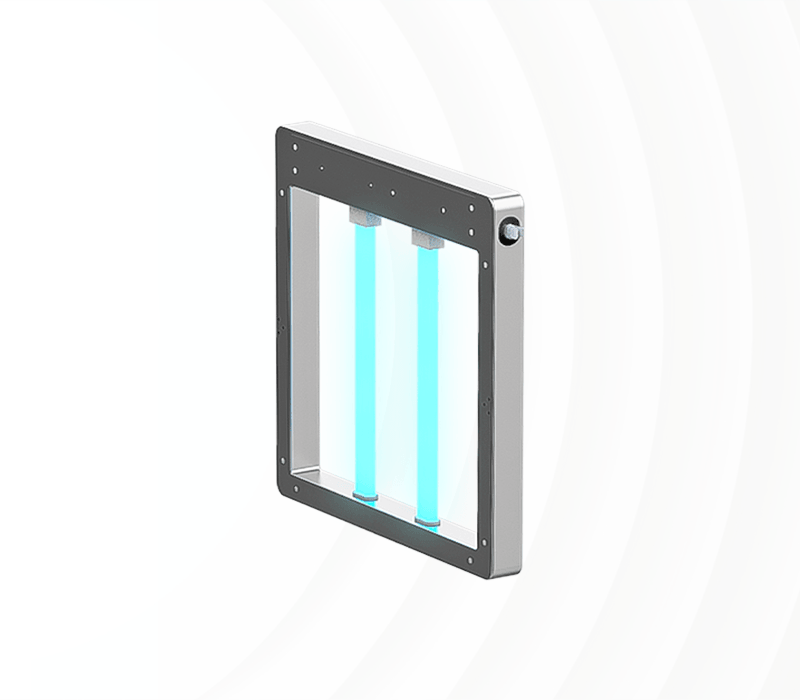
UV-C Odor Control System
UV photolysis for odor decomposition. Stage 2 partner for carbon.
UV kitchen odor control module →Frequently Asked Questions About Activated Carbon Filter for Kitchen
Common questions about Polygee activated carbon filters for commercial kitchen exhaust odor removal. Site-wide answers are collected on the Polygee kitchen ESP FAQ.
What is an activated carbon filter for kitchen exhaust?
How often should I replace the carbon panels?
Do I still need a carbon filter if I have ESP and UV?
Does an activated carbon filter remove smoke from kitchen exhaust?
What activated carbon media does Polygee use?
Does the activated carbon filter need electricity?
Can the carbon filter be retrofitted to an existing kitchen exhaust system?
Does Polygee offer OEM/ODM for activated carbon filters?
Achieve Low-Odor Kitchen Exhaust with Activated Carbon
Tell us your airflow, odor type, and environment requirements. We’ll recommend the right carbon configuration.
Request a Quote for the Activated Carbon Filter
We reply during support hours, Mon–Fri 8:00–17:00 (GMT+8), with a configuration recommendation and factory-direct pricing.
🏭 Manufacturer
Jiangsu Polygee Environmental Technology Co., Ltd.
BSE: 920802 • 225 Patents • 110,000 m²
📜 Certifications
ISO 9001 ABZB25Q30072R3M • ISO 14001 ABZB25E30043R3M • ISO 45001 ABZB25S30027R2M (company management systems)
CE / RoHS / CCEP / CQC cover other Polygee series — see the ESP certifications page for scope by product line.