
Restaurant Kitchen
Exhaust Purification Solution
Restaurant kitchen ESP removes heavy grease and smoke at the source. From wok fumes to deep-fryer oil mist, our electrostatic precipitator systems deliver up to 97.6% purification efficiency with retrofit installation that keeps your kitchen running.
Why Restaurant Kitchens Need ESP
Restaurant kitchens produce the heaviest grease-laden exhaust in the foodservice industry. Without proper electrostatic purification, these four problems compound rapidly.
Heavy Grease & Smoke Accumulation
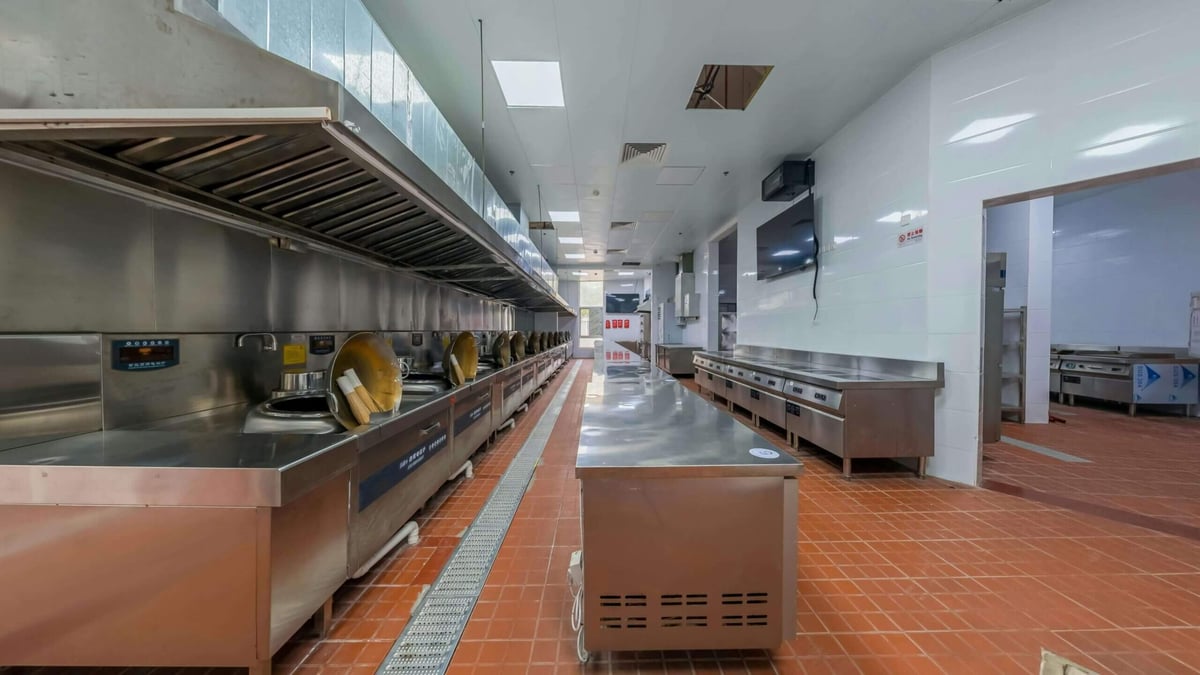
Wok stations, deep fryers, and char-grills produce massive volumes of grease-laden smoke. Without ESP, grease accumulates inside ductwork steadily month after month — creating fire hazards, costly duct cleaning bills, and steadily degrading exhaust fan performance.
Fire Safety & Code Compliance
Grease-clogged exhaust ducts are a major cause of commercial kitchen fires, a well-documented cause of structure fires. Most jurisdictions now require grease removal at source to pass fire inspection and obtain operating permits.
Neighbor Complaints & Municipal Fines
Visible exhaust plumes and cooking odors from rooftop vents trigger complaints, environmental fines, forced closure orders, and lawsuits in dense urban areas. This is especially critical for restaurants in mixed-use buildings.
Retrofit Difficulty & Downtime Cost
Traditional restaurant extraction upgrades require extensive construction, hood replacement, and weeks of downtime — and even one week of closure means substantial lost revenue plus renovation costs.
Principle of Electrostatic Purification
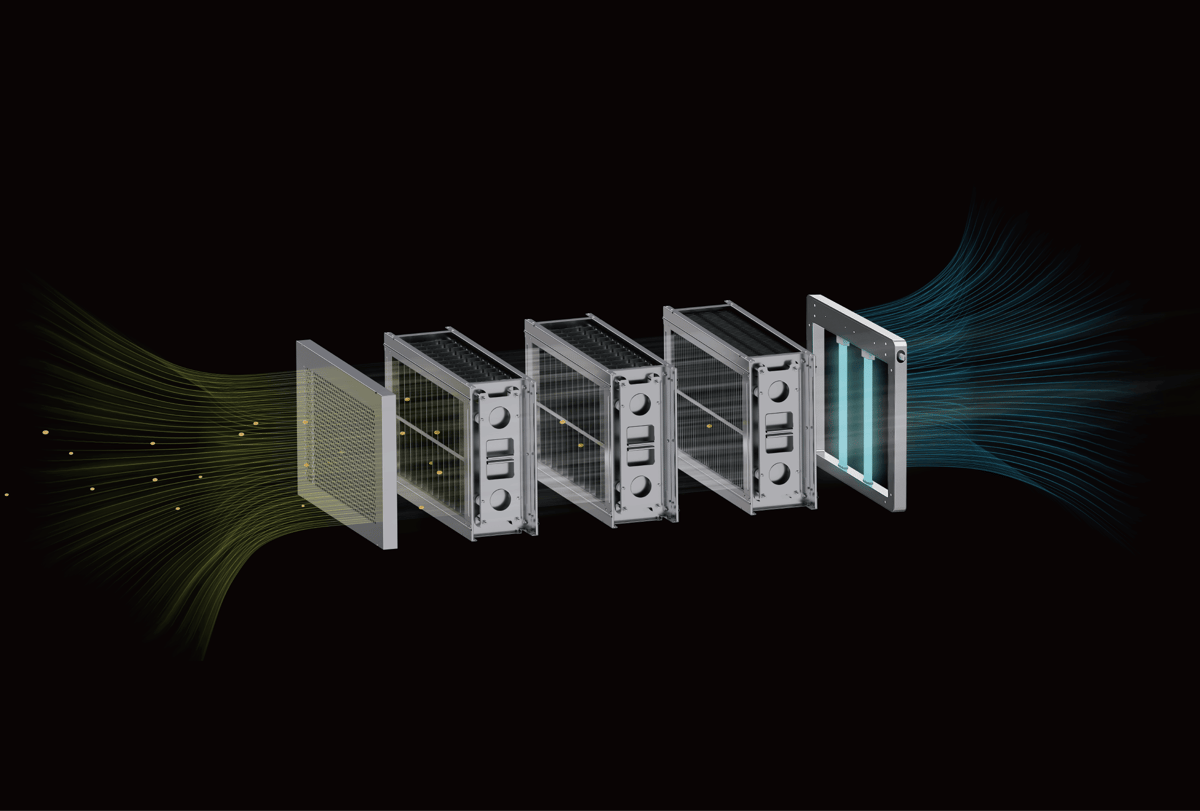
Polygee ESP uses a multi-stage purification process — from pre-filtration to UV sterilization — delivering up to 97.6% grease removal for restaurant kitchens. Third-party tested: 97.6% on LK160 and 97.0% on LK40 (Beijing Zhongyan Huanneng, CMA — reports ZY05W230298 / ZY05W230296); 96.0% at rated airflow on LK120 (SQEP, CMA — report 2024I20-35-5322488001).
Airflow Distribution
Washable mesh pre-filter traps large particles and evenly distributes airflow.
→Primary Ionization
High-voltage ionization charges grease and smoke particles.
→Plate Collection
Dual-zone plate-type collector captures charged particles.
→Secondary Collection
Additional collector stage for the top-tier configuration.
→UV Sterilization
UV-C module decomposes VOCs and reduces odors.
A Complete Restaurant Kitchen Exhaust Filtration System
A streamlined 5-stage ventilation system for restaurant kitchens — from cooking surface to clean exhaust. For odor-sensitive sites, an activated carbon filter or a UV-C odor control module can be added downstream of the ESP.
ESP for Every Restaurant Type
Different cuisines produce different types and volumes of grease. Our ESP configurations are tailored to each cooking style.
Chinese & Asian Wok Kitchen
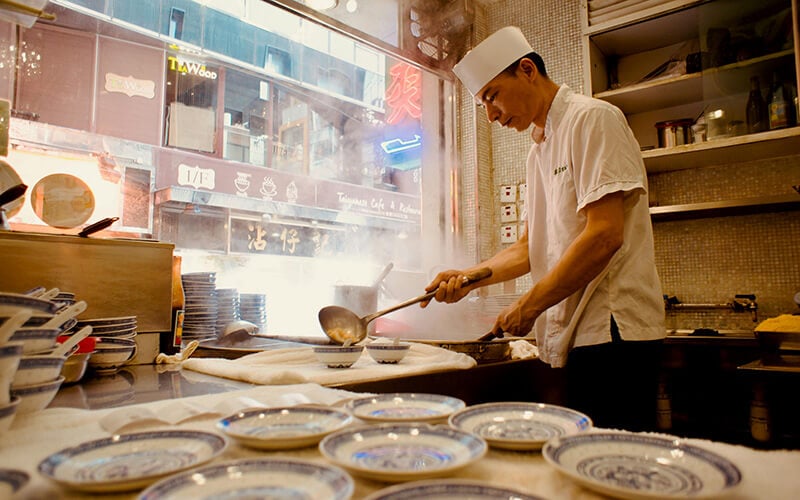
High-heat wok cooking generates the densest grease and smoke. Heavy-duty ESP with extra collector cells and frequent cleaning cycle. The most demanding scenario.
Heavy Load · 6,000–12,000 m³/h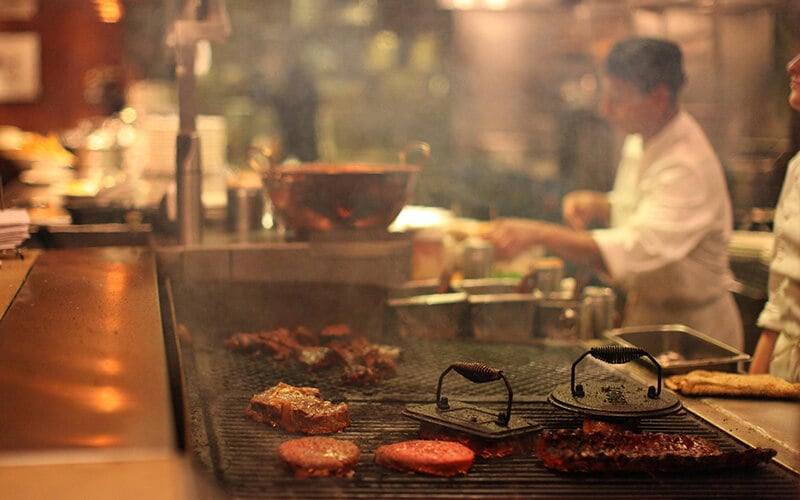
Western Grill & Steakhouse
Char-grill and broiler produce heavy smoke with carbon particles. ESP + carbon filter combination for both visible smoke and odor control.
Medium-Heavy · 4,000–8,000 m³/h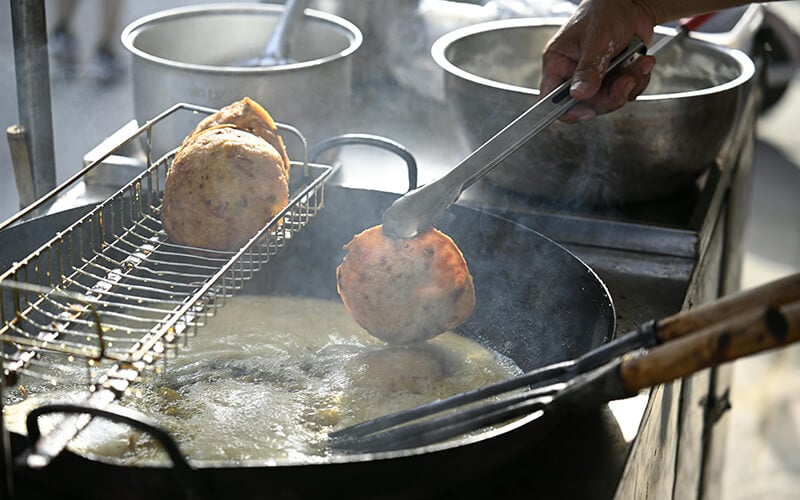
Fast Food & Deep Fry
Deep fryers produce consistent, high-volume oil mist. Standard ESP configuration delivers excellent results with low maintenance.
Medium Load · 4,000–6,000 m³/h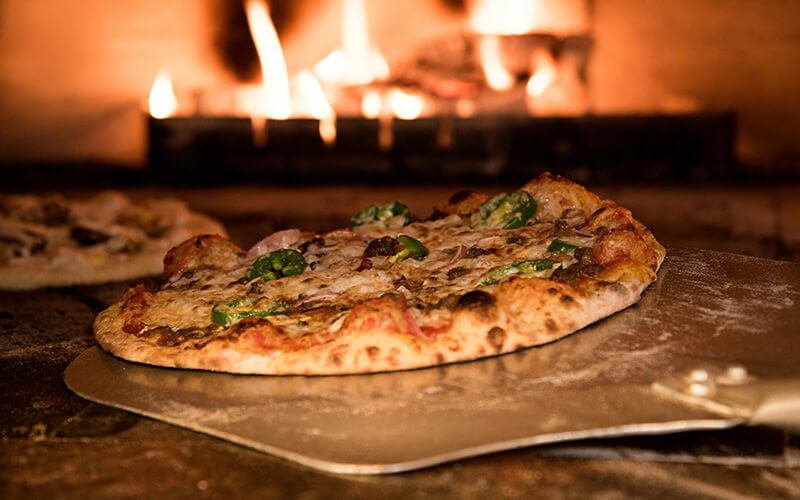
Pizza & Oven-Based
Wood-fired and gas ovens produce moderate grease but significant smoke. ESP handles the particulate while optional UV-C tackles the smoky aroma.
Medium Load · 3,000–6,000 m³/h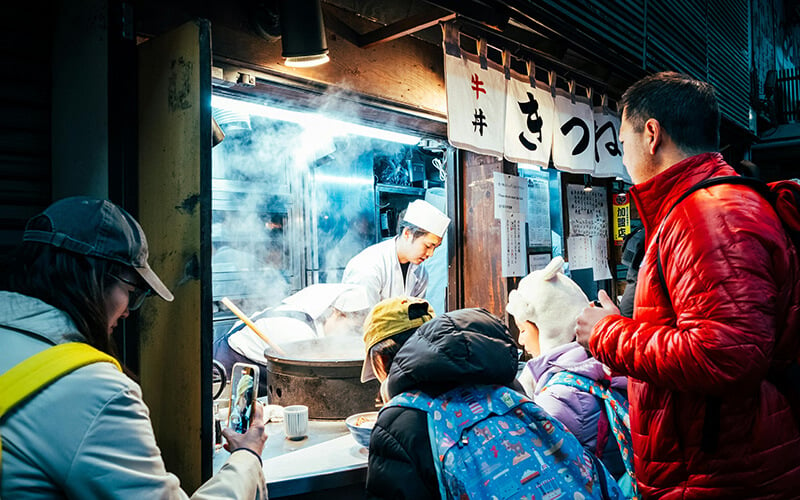
Noodle & Soup Kitchen
Steam-heavy environments with moderate grease. Compact ESP modules handle the load efficiently while managing moisture.
Light-Medium · 2,000–4,000 m³/h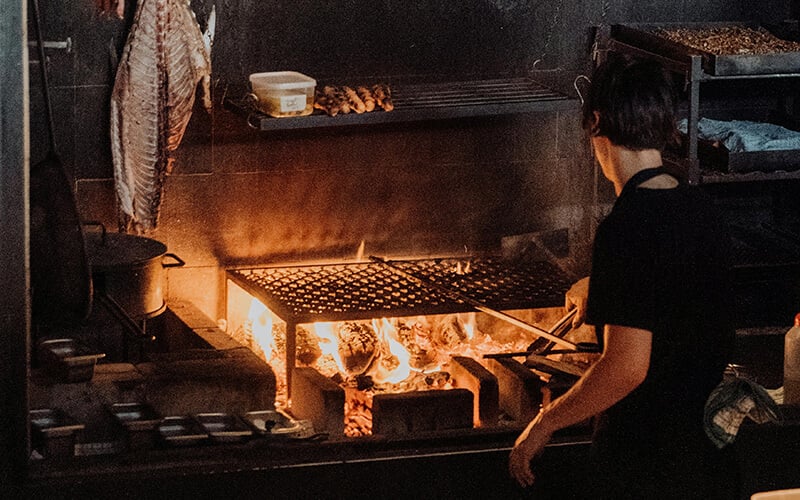
Multi-Cuisine Restaurant
Mixed cooking styles require versatile ESP configuration. Modular design allows scaling capacity to match the most demanding station.
Variable · Custom ConfigurationESP vs. Traditional Grease Filters
See why restaurants are switching from disposable filters to electrostatic precipitators.
| Feature | Traditional Mesh/Baffle Filter | Polygee ESP |
|---|---|---|
| Grease Capture Efficiency | Limited | up to 97.6% ✓ |
| Visible Smoke Removal | ✗ Poor | ✓ Excellent |
| Fire Risk Reduction | Limited — grease still enters duct | ✓ up to 97.6% grease removed at source |
| Disposable Filters Needed | ✗ Yes — frequent replacement | ✓ No — washable & reusable |
| Duct Cleaning Frequency | Monthly | Quarterly or less ✓ |
| Pressure Drop | 150–300 Pa (increases as filter clogs) | ≤150 Pa incl. distribution plate ✓ |
| Energy Impact on Fan | Higher — fan works harder | Lower — stable fan load ✓ |
| Odor Control Capability | ✗ None | ✓ Optional carbon/UV add-on |
| Noise Level | N/A (passive) | Low noise — no moving parts ✓ |
| Installation Disruption | Full hood replacement needed | 1–2 day retrofit ✓ |
Ready to upgrade your restaurant kitchen ESP with up to 97.6% grease removal and minimal downtime?
Get Your Free Kitchen Assessment →Choose the Right ESP for Your Kitchen
Based on restaurant kitchen requirements, we recommend two ESP product lines depending on whether you are retrofitting or building new.
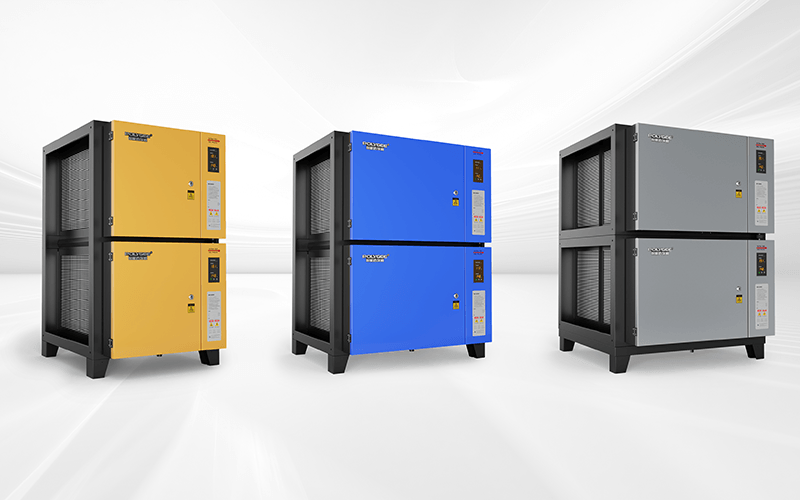
Modular In-Duct ESP
Slides directly into your existing ductwork in 1–2 days. No hood replacement, no structural changes, no business interruption. A common choice for operating restaurants upgrading their exhaust systems.
In-duct kitchen electrostatic precipitator specifications →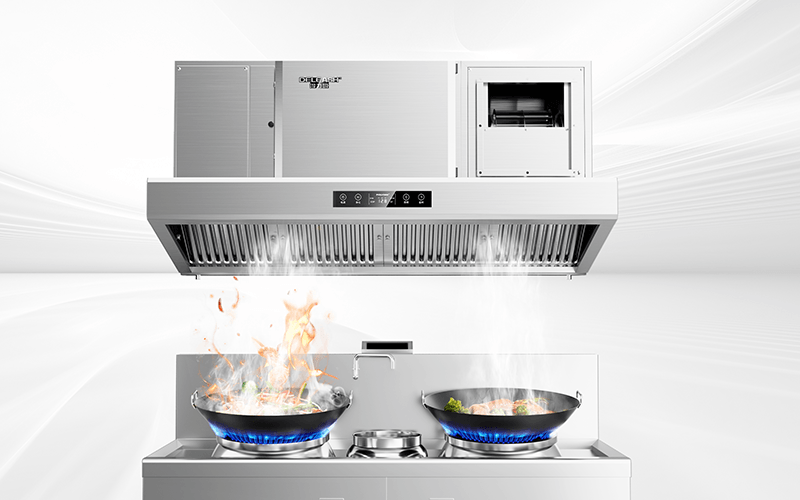
Integrated Kitchen Hood ESP
All-in-one stainless steel hood with built-in ESP, LED task lighting, and oil drainage system. A compact, integrated design for new restaurant kitchens or full renovations.
Kitchen ESP hood specifications →From Assessment to Clean Exhaust in 4 Steps
Our streamlined process minimizes disruption and gets your ESP running fast.
Site Assessment
Share your kitchen layout, hood dimensions, duct specs, and cooking type. Our engineers design a custom ESP configuration within 24 hours on business days.
Custom Production
ESP units are manufactured to match your exact duct dimensions. Standard lead time is 7–15 days. Rush production is available.
1–2 Day Installation
ESP slides into your existing ductwork. Electrical connection, commissioning, and performance verification — all completed while your kitchen stays open.
Ongoing Support
Cleaning training for your staff, maintenance schedule setup, spare parts support, and optional IoT remote monitoring for peace of mind.
Why Polygee for Restaurant Grease and Smoke Control
Retrofit Without Downtime
Our modular ESP slides into existing restaurant extraction ducts in 1–2 days. Your restaurant stays open — no closure required, minimal disruption.
up to 97.6% Purification
Patented plate-type collector cells deliver high-efficiency grease and smoke capture. Exhaust plumes become visibly clean.
Globally Certified
CE (FQC2602501), UL Listed models (File E522667), RoHS, CQC, CCEP, ISO 9001/14001/45001 — exported to 50 countries — compliance documentation available for local fire and emission reviews. 1-year warranty • MOQ 1 unit • 7–15 day lead time • Support Mon–Fri 8:00–17:00 (GMT+8). View our ESP certifications →
24h Engineering Support
From initial assessment to custom configuration — our engineering team responds within 24 hours on business days. Backed by BSE-listed manufacturer.
Restaurant Kitchen ESP Systems Built in Our Own Smart Factory
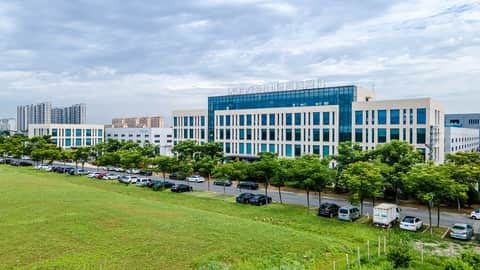
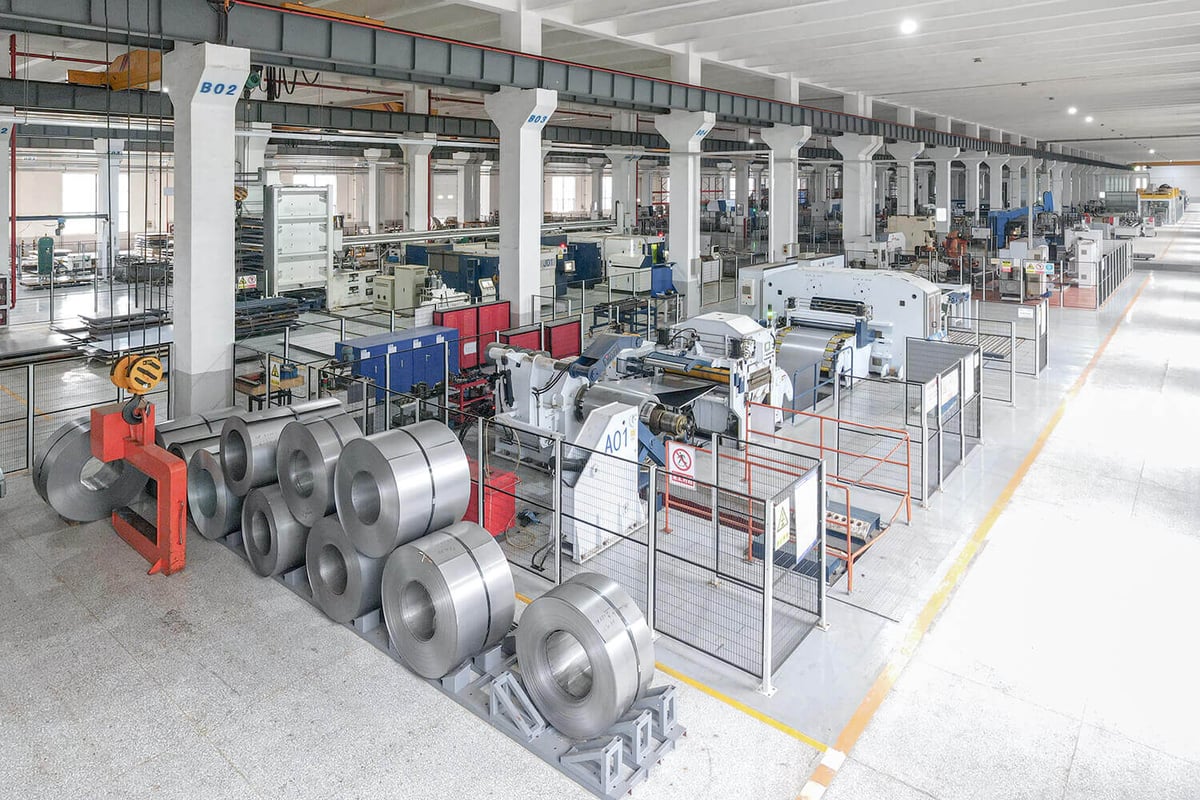
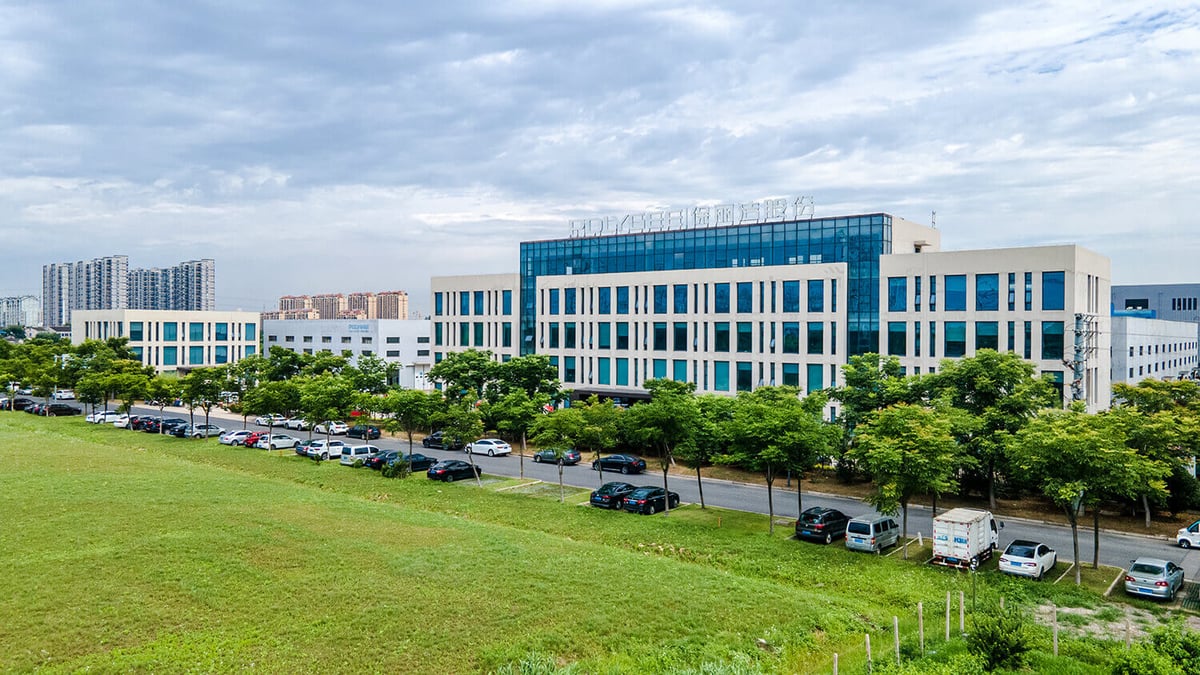
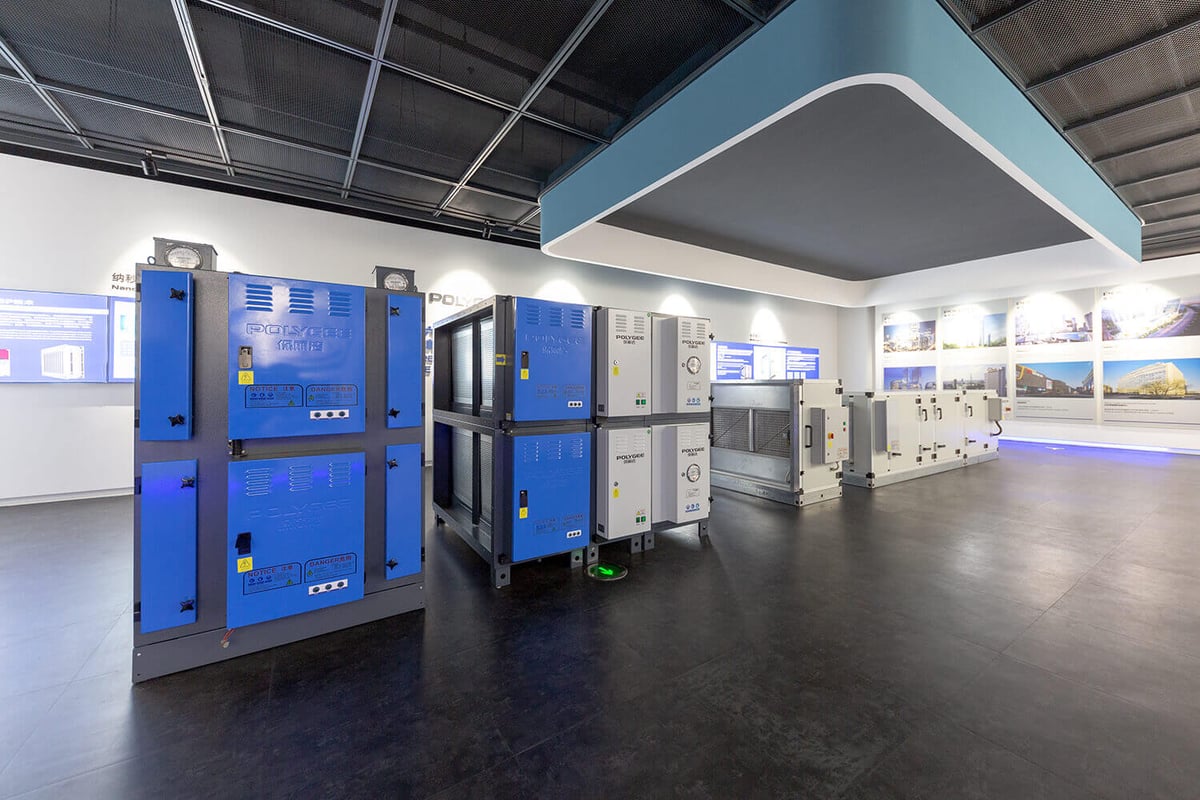
Every Polygee ESP is manufactured in-house at our 110,000 m² intelligent production facility — with quality control from raw material to finished product. Ventilation contractors and kitchen equipment dealers can source factory-direct through our ESP distributor program.
Trusted by Iconic Properties Worldwide
Polygee ESP systems are installed in commercial kitchens and foodservice venues worldwide.
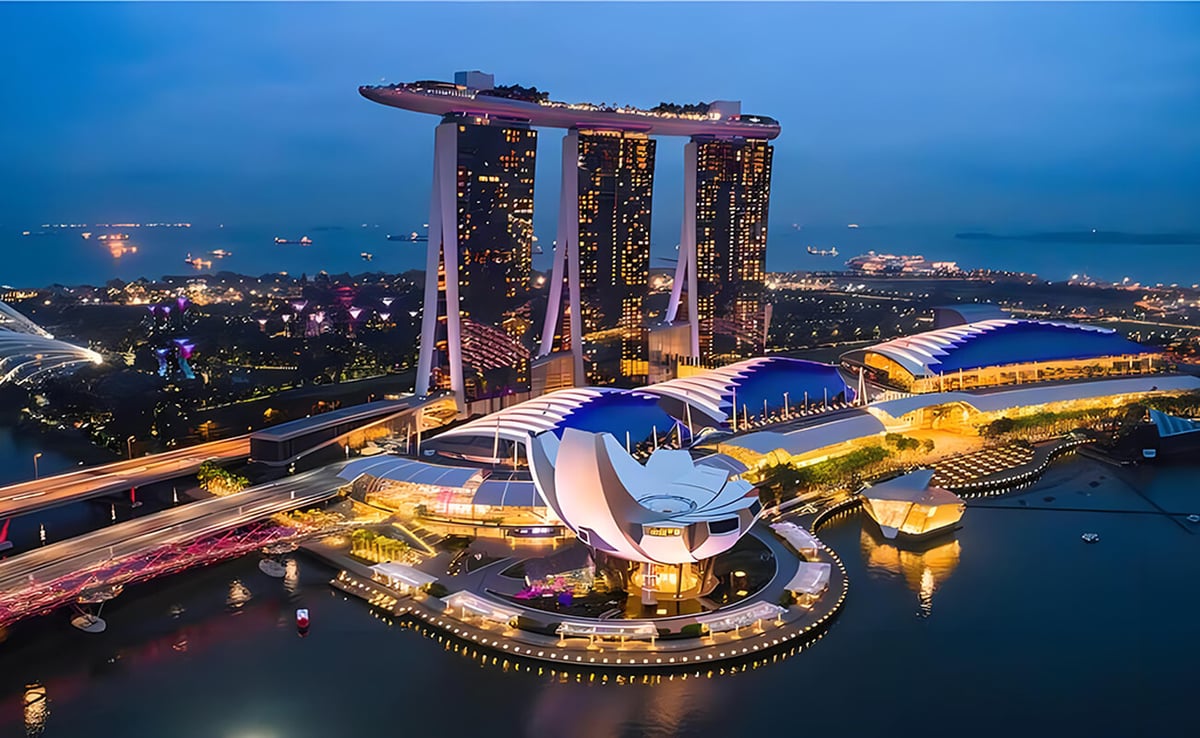
Marina Bay Sands
Full kitchen ESP retrofit for multiple restaurant outlets in Singapore’s landmark integrated resort.
Singapore · Hotel & Casino 2012 · ODM units · 500 units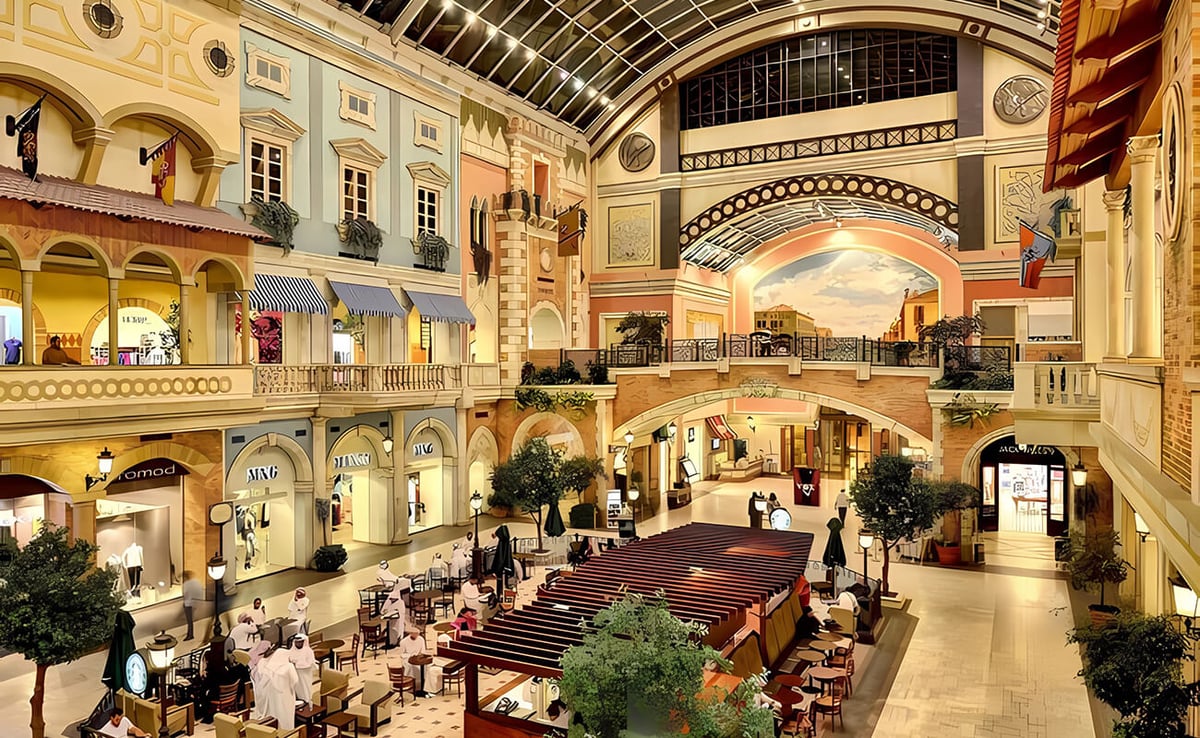
Dubai Mall
Food court ventilation upgrade serving multiple F&B vendors. Delivered visibly clean rooftop discharge points.
UAE · Shopping Mall 2017 · ODM units · 40 units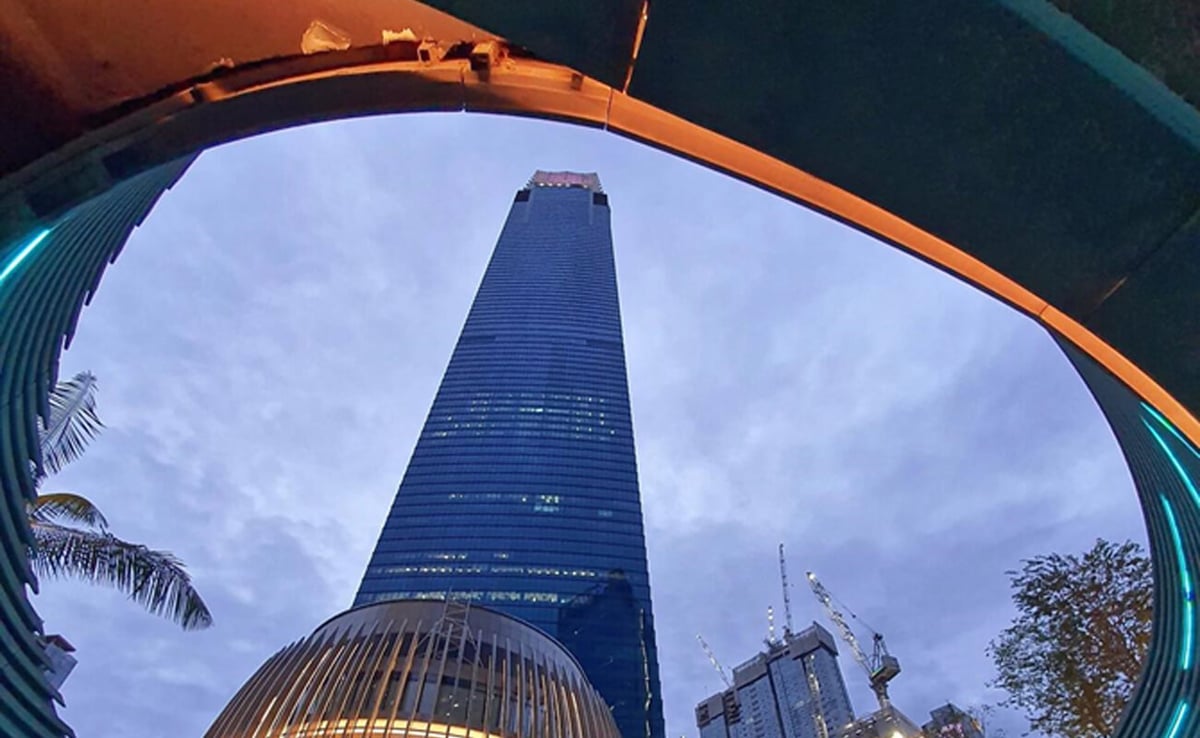
TRX Exchange
Kitchen exhaust solution for Kuala Lumpur’s new financial district mixed-use development, serving multiple F&B tenants.
Malaysia · Mixed-Use 2022 · LK-E + UV series · 300 units
University of Sydney
Campus dining facility exhaust upgrade. Addressed grease odor complaints from adjacent academic buildings while meeting AU environmental codes.
Australia · Education 2013 · RY series · units on request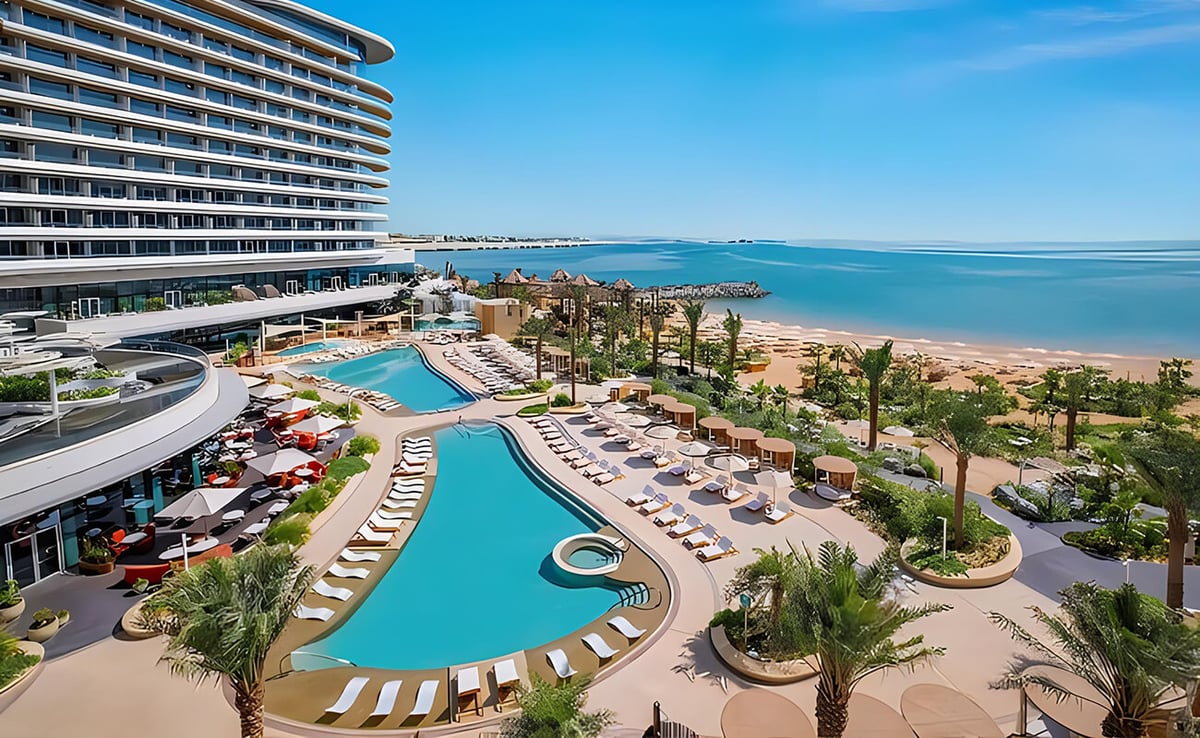
Waldorf Astoria Doha
Five-star hotel kitchen ESP system covering banquet, all-day dining, and specialty restaurant kitchens. No emission complaints reported since install.
Qatar · Luxury Hotel 2016 · LK-E series · 30 unitsCommercial Terms
Key terms for ordering a Polygee restaurant kitchen ESP system — from payment to spare parts support.
| Term | Details |
|---|---|
| Payment | 30% deposit (or 50%), balance before shipment — T/T and L/C accepted |
| Incoterms | Incoterms arranged to suit the buyer (EXW / FOB / CIF) |
| Warranty | 1-year warranty on the complete unit, covering ESP field cells and SPP power supplies. UV-C lamps and activated carbon media are consumables and not covered. On-site labor is not included — paid on-site service is available. |
| MOQ | 1 unit · Project and volume pricing quoted per project. |
| Lead Time | 7–15 days |
| Spare Parts | Common spare parts kept in stock; supply continues for 1 year after a model is discontinued |
| Engineering Support | System design proposals, CAD drawings and full specification sheets — request with your project’s airflow details. |
Get Your Free Kitchen Assessment
Share your kitchen layout, cooking type, and duct dimensions — our engineering team will design a custom ESP solution with a detailed proposal and quotation within 24 hours on business days.
Frequently Asked Questions About Restaurant Kitchen ESP
More answers on ESP sizing, cleaning and compliance are collected in our kitchen ESP FAQ.